
About 2iE
Developing Sustainable Solutions for Africa’s Water, Environment, and Energy Challenges
Founded in 2006 through the merger of two long-established engineering schools in Burkina Faso, the International Institute for Water and Environmental Engineering (2iE) has grown into one of Africa’s leading centres of excellence in engineering and applied sciences.
Located in Ouagadougou, Burkina Faso, 2iE combines academic excellence with applied research, innovation, and professional training to address some of Africa’s most pressing development challenges. Its work spans water resource management, sanitation, renewable energy, environmental sustainability, infrastructure, and climate resilience.
As part of the AIST Network, 2iE strengthens the Nelson Mandela Institution’s vision of building world-class scientific institutions that support Africa’s long-term development.
Driving Sustainable Development
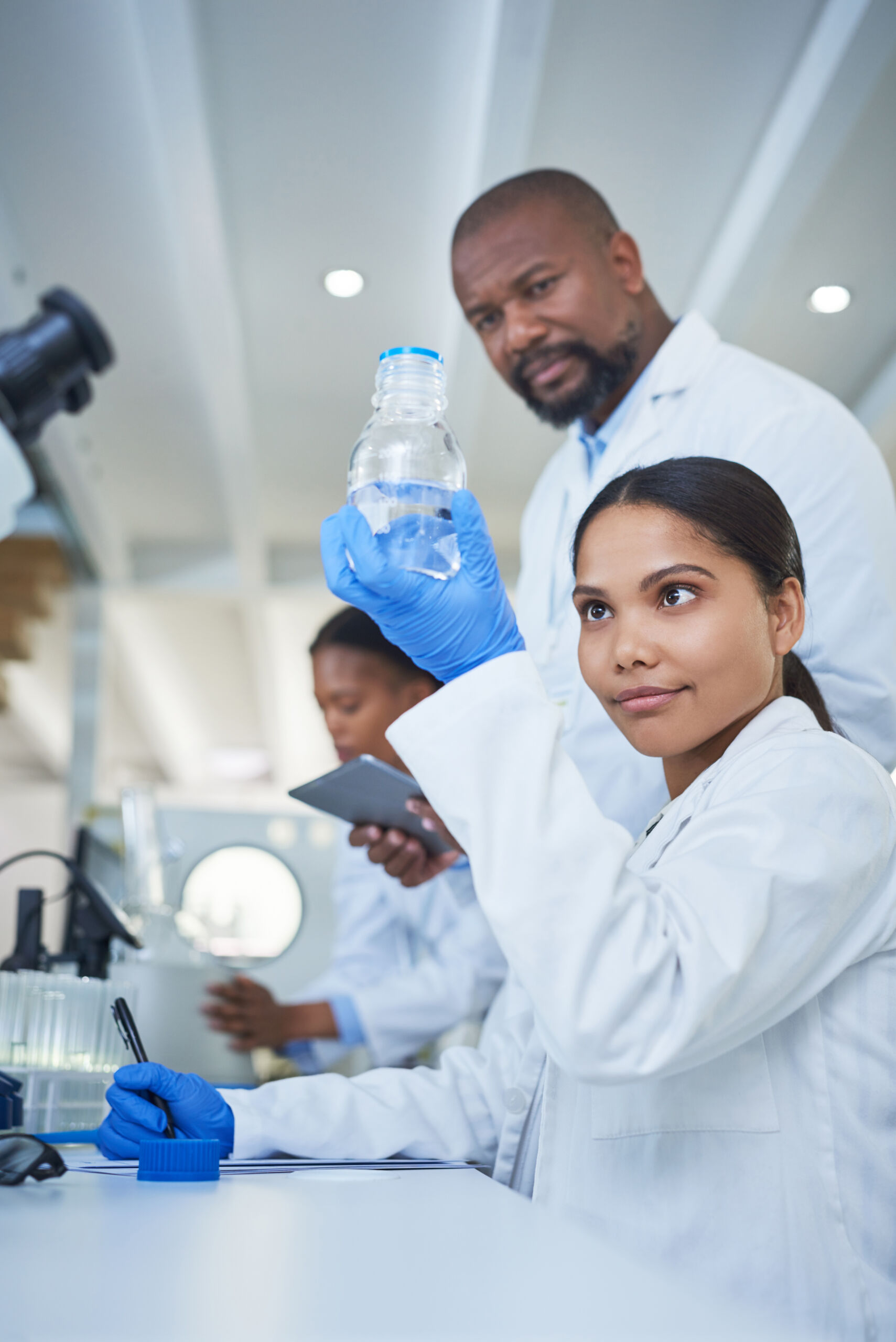
2iE was established to produce highly skilled engineers, researchers, and innovators capable of addressing complex environmental and infrastructure challenges across the continent.
Within the AIST Network, the institution contributes by:
- Advancing sustainable engineering solutions
- Strengthening capacity in water and environmental management
- Promoting renewable energy research and innovation
- Supporting resilient infrastructure development
- Building partnerships between academia, industry, governments, and development organizations
Through this work, 2iE plays a vital role in supporting Africa’s transition toward sustainable and climate-resilient development.
Academic excellence
2iE is recognized for its interdisciplinary approach to engineering education and applied research. The institution combines classroom learning with laboratory work, field experience, and industry collaboration, ensuring graduates develop practical skills alongside strong technical knowledge.
Its programmes emphasize innovation, entrepreneurship, and problem-solving, preparing graduates to contribute effectively within government, academia, industry, and the international development sector.
Supporting Africa’s Sustainable Future
Through education, research, and strategic partnerships, 2iE contributes to building a more sustainable and resilient Africa. Its work supports regional cooperation and reinforces the Nelson Mandela Institution’s vision of interconnected centres of excellence that advance scientific knowledge while addressing the continent’s most pressing development priorities.
Areas of Focus
2iE’s teaching, research, and innovation activities focus on disciplines that are essential to sustainable development, including:
- Water Resources Management
- Environmental Engineering
- Civil Engineering
- Renewable Energy
- Climate Change and Resilience
- Sanitation and Public Health
- Sustainable Infrastructure
- Agriculture and Natural Resource Management
- Digital Technologies for Sustainable Development
- Innovation and Entrepreneurship
These focus areas reflect the institution’s commitment to developing practical solutions for Africa’s evolving environmental and development challenges.
Research and Innovation
Research at 2iE is strongly applied and impact-driven. The institution works closely with governments, development partners, businesses, and local communities to develop technologies, policies, and engineering solutions that improve access to water, strengthen environmental resilience, expand renewable energy, and support sustainable urban and rural development.
Its emphasis on collaboration ensures that research findings translate into real-world impact across Africa and beyond.
Quick Facts
Established
2006
Location
Ouagadougou, Burkina Faso
Institution Type
International Graduate School of Engineering
Network
African Institutes of Science and Technology (AIST)
Focus
Water, Environment, Energy &
Sustainable Development
Common questions
Frequently asked questions
01 What is the International Institute for Water and Environmental Engineering (2iE)?
2iE is a leading Pan-African institution based in Ouagadougou, Burkina Faso, specializing in engineering education, applied research, and innovation in water, environmental sciences, renewable energy, and sustainable infrastructure.
02 Was 2iE established by the Nelson Mandela Institution (NMI)?
No. Unlike some other members of the African Institutes of Science and Technology (AIST) Network, 2iE was established independently and later became part of the broader network through a shared commitment to advancing scientific excellence, engineering education, and sustainable development in Africa.
As a member of the AIST Network, 2iE contributes its internationally recognized expertise in water, environmental engineering, renewable energy, and applied research, strengthening the Nelson Mandela Institution’s vision of a collaborative network of centres of excellence that address Africa’s most pressing development challenges.
03 What makes 2iE unique within the AIST Network?
2iE brings specialized expertise in water, environmental engineering, renewable energy, and sustainable development. Its strong emphasis on applied research and close collaboration with governments, industry, and development partners enables the institution to develop practical solutions to real-world challenges across Africa.
04 How does 2iE contribute to NMI’s mission?
As a member of the AIST Network, 2iE supports the Nelson Mandela Institution’s vision by developing skilled professionals, advancing applied research, fostering innovation, and strengthening Africa’s capacity to address critical challenges related to water, energy, climate resilience, and sustainable infrastructure.
05 Why is 2iE important for Africa’s sustainable development?
2iE focuses on engineering solutions that improve access to clean water, renewable energy, environmental protection, sanitation, and resilient infrastructure. By combining education, research, and innovation, the institution helps equip Africa with the expertise needed to achieve sustainable and inclusive development.
Explore 2iE
Discover 2iE’s academic programmes, research initiatives, innovation ecosystem, and professional training opportunities by visiting the official website.